To ensure optimal performance, it’s crucial to pay attention to frequently replaced elements within dual-clutch gearboxes. Regular inspection of these components can prevent costly repairs and maintain smooth functionality.
Friction clutches and their condition significantly affect gear shifts. Monitoring their wear can help maintain responsiveness and overall driving experience. Insufficient maintenance may lead to slippage and poor engagement, which is detrimental to efficiency and power transfer.
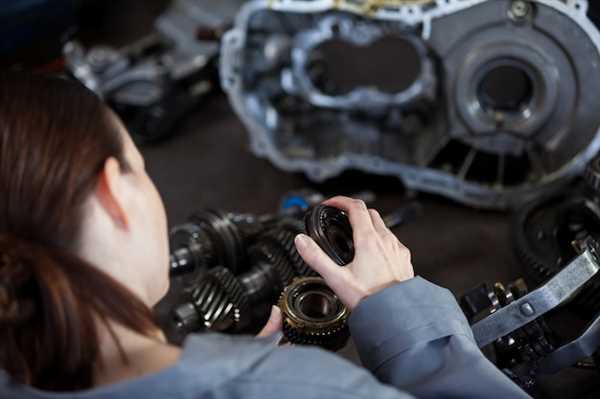
Additionally, synchronizers play a critical role in smooth gear changes. Keeping these in good shape is essential to prevent grinding and ensure seamless shifting. Routine checks can help identify any signs of wear and facilitate timely replacements.
Bearings are also vital for the gearbox’s longevity. Regular lubrication and inspection of these elements help reduce friction and wear, ultimately extending the lifespan of the entire system.
Finally, ensuring that electronic components are functioning correctly can enhance responsiveness and adaptability of the gearbox. Faulty sensors or control units can lead to erratic shifting behavior, underscoring the need for periodic diagnostics.
Identifying Signs of Wear in DSG Clutch Packs
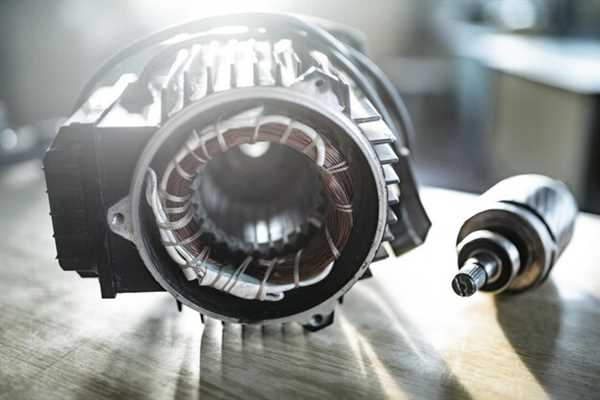
Monitor for shuddering or jerking during gear shifts, which may indicate degradation of the clutch components. Regularly check for unusual noises, such as grinding or rattling, especially when engaging the gears. If the vehicle hesitates or shows sluggish acceleration, this can signify reduced grip in the clutch assembly.
Visual inspection plays a role; examine the clutch packs for discoloration or burning odors, both of which suggest overheating. Assess the fluid – clean fluid is ideal, while a dark, burnt appearance or evidence of debris points to contamination and possible clutch failure.
Utilize diagnostic tools to review any fault codes related to transmission performance. Pay attention to the engagement response; slow or inconsistent shifting can be an indicator of compromising elements within the clutch system. Addressing these issues proactively may prevent more severe damage and prolong vehicle lifespan.
Maintenance Tips for Extending the Life of DSG Transmission Filters
Regular Fluid Changes: Replace transmission fluid at manufacturer-recommended intervals. Contaminated fluid can lead to filter clogging, reducing performance.
Monitor Fluid Quality: Check fluid condition frequently. Dark or burnt fluid indicates degradation, necessitating immediate change to prevent damage.
Inspection for Leaks: Routinely inspect for leaks around the filter and housing. Addressing leaks swiftly prevents low fluid levels which can damage internal components.
Utilize OEM Filters: Always use original equipment manufacturer (OEM) filters. Aftermarket options might compromise filtration efficiency and fit.
Train on Driving Habits: Encourage smooth acceleration and deceleration. Rapid shifts increase strain and can lead to premature filter failure.
Check for Code Signals: Use a diagnostic tool to read any transmission-related trouble codes. Early detection allows for timely service before filter issues escalate.
Cooling System Maintenance: Ensure the cooling system functions optimally. Overheating can deteriorate fluid and filter performance, causing unnecessary wear.
Clean Airflow Paths: Regularly clean transmission cooler lines and components. Blockages can lead to poor circulation, impacting filter lifespan.
Understanding the Impact of Gear Oil Quality on DSG Component Wear

Utilizing high-quality gear oil significantly reduces component deterioration. The viscosity and thermal stability of the oil play critical roles in maintaining optimal lubrication. Synthetic oils typically outperform conventional ones, offering better resistance to breakdown under extreme conditions.
Regularly changing the oil according to manufacturer recommendations is essential. Contaminants accumulate over time, impacting the oil’s lubricating properties and leading to increased friction, which accelerates degradation of internal components.
Analyses of oil samples can provide insights into the condition of the transmission system. Monitoring wear metals in the oil helps identify potential issues before they escalate into major failures. This proactive approach extends the lifespan of the transmission.
Choosing gear oils formulated for your specific vehicle model ensures compatibility and optimum performance. Always consult the owner’s manual for specifications regarding preferred oil types and intervals for changes.