
Monitor engine performance closely. A noticeable drop in acceleration or uneven idling can signal problems with your fuel delivery mechanisms. Pay attention to how your car responds when you press the accelerator; if the response is sluggish, it might indicate that the fuel spray is compromised.
Inspect for unusual sounds. A misfiring engine or a choppy idle often hints at an imbalance in the air-fuel mixture. If you detect a sputtering noise during acceleration, consider the possibility of restricted flow through injectors, affecting overall combustion efficiency.
Check for unexpected mileage decreases. A sudden increase in fuel consumption is a red flag. This could mean that components responsible for optimizing fuel flow aren’t functioning optimally, leading to wasted resources and diminished power output.
Keep an eye on the exhaust. An excessively rich or sooty exhaust indicates incomplete combustion, often stemming from issues with fuel delivery. If the emission appears darker than usual, it’s wise to investigate the condition of those crucial components.
Be aware of dashboard alerts. Warning lights or error codes related to fuel delivery systems should never be ignored. These indicators prompt timely evaluation of system integrity and can help you avoid more extensive repairs later on.
Identifying Poor Engine Performance Due to Clogged Injectors
Check for rough idling or engine stalling. These issues often indicate inadequate fuel delivery, hinting at possible obstructions within the fuel delivery system.
Monitor acceleration responsiveness. A noticeable lag when pressing the accelerator pedal may signal restricted flow, detrimentally affecting engine power and performance.
Watch for increased fuel consumption. If the vehicle’s efficiency drops significantly, it could suggest that the combustion process is compromised due to improper fuel spray pattern caused by restricted nozzles.
Listen for unusual engine noises. Knocking or pinging sounds may emerge as a result of uneven fuel distribution, which can lead to misfire and abnormal combustion.
Inspect for a decrease in power during high-load situations, such as climbing hills or carrying heavy loads. Insufficient fuel reaching the combustion chamber will likely cause noticeable power loss.
Utilize diagnostic tools to check for trouble codes. Many modern engines will register issues related to fuel system malfunctions, making it easier to pinpoint related problems.
Regular maintenance plays a key role in preventing these issues. Consistently replacing filters and using high-quality fuel can help maintain proper function.
Recognizing Unusual Engine Sounds Related to Fuel Injection Issues

Listen for irregular noises when starting or idling your engine. A rough, choppy sound might indicate insufficient delivery of essential components to the combustion chamber.
Pay attention to clicking or ticking noises. This could suggest that the system is struggling to operate properly, potentially due to blockages in the flow system.
If you hear a sputtering or misfiring sound during acceleration, it may signal that the mixture isn’t being optimized, leading to poor performance.
Monitor changes in engine tone, specifically if it becomes louder than usual during operation. This can be connected to an imbalance in the combustion process.
Check for backfiring, which may occur if unburned gases ignite in the exhaust. This can be a symptom of inadequate distribution of fuel to the cylinders.
Monitoring Fuel Consumption Patterns for Signs of Injector Blockage
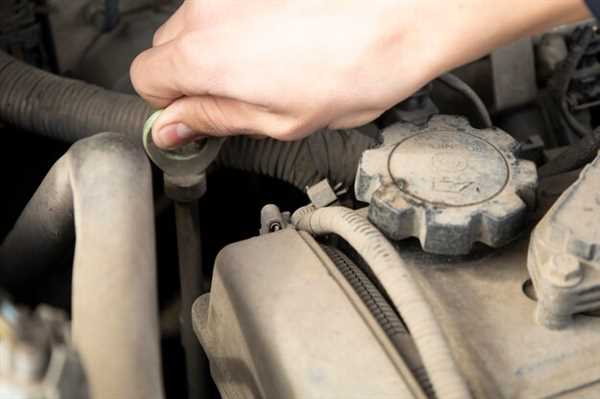
Track fuel usage over several tankfuls. Look for any unexplained increases in consumption; a sudden spike may indicate improper operation of delivery mechanisms. Compare current metrics with historical data to gauge deviations.
Document miles per gallon (MPG) regularly. A declining MPG trend can signify issues with the delivery system’s efficiency. Establish a baseline MPG under normal circumstances for accurate assessments.
Consider road conditions and driving habits; these factors impact consumption rates. Isolate external influences to focus on potential mechanical issues. If consumption trends remain high despite stable driving conditions, further investigation is warranted.
Monitor engine performance closely. Hesitation, rough idling, or stalling can suggest that the component responsible for supplying fuel is not functioning optimally. These signs, combined with altered consumption data, necessitate immediate scrutiny.
Assess the quality of the fuel. Impurities can cause complications. Use reputable stations and, if necessary, perform quality checks to confirm that the substance being used does not contain contaminants.
Regular maintenance checks enhance identification of potential problems. Replace filters and perform system diagnostics periodically to preemptively catch any irregularities before they escalate into more serious situations.