Prioritize high-quality timing belts and chains to enhance the efficiency of your Audi’s power unit. A durable timing belt with precise tooth design ensures accurate synchronization of crucial components, directly influencing torque delivery and throttle response. Consider brands renowned for reliability, such as ContiTech or Gates, which offer extended service life and superior performance under stress.
Examine the tensioners and idlers; investing in OEM or high-performance aftermarket options guarantees smooth operation and minimizes the risk of component failure. It’s vital to select units that match the specifications of your vehicle, as mismatches can lead to premature wear and operational issues. A robust setup not only optimizes power delivery but also increases the reliability of your system.
The quality of your timing components impacts not only power but also emissions. Choose parts that adhere to manufacturer guidelines to maintain the integrity of your emission system, helping you meet regulatory standards. These details contribute significantly to the longevity and efficiency of your vehicle, ensuring you enjoy a responsive driving experience for miles ahead.
Identifying the Right Timing Belt for Your Audi Model
For an accurate match to your model, consult the owner’s manual or a trusted parts website. Each vehicle variant has specific specifications regarding dimensions and material.
Check the production year and engine type–these factors significantly influence the required belt. For instance, the 2.0 TFSI engines commonly utilize an elasto-polymer belt, known for its durability. Conversely, the V6 engines may need a reinforced rubber variant.
Inspecting prior installations can reveal wear patterns, helping to determine if a standard or performance-grade alternative is required. Performance-focused drivers might opt for belts designed for high torque applications, which are often constructed with advanced materials for longevity.
Verify compatibility with existing pulleys. Ensure that the new belt aligns properly with camshafts and crankshafts without excessive tension or slack. Incompatible parts could lead to premature failure, risking extensive mechanical damage.
Purchase from reputable suppliers to guarantee authenticity. Counterfeit products often compromise engine function, necessitating increased maintenance and repairs.
Record the part number from the original component before purchasing a replacement. Many brands label their products for easy identification. This practice minimizes the likelihood of errors and ensures that the correct item is sourced.
Lastly, consider scheduled replacement intervals. Regular checks can help maintain optimal performance, as belts are subject to wear and tear over time. Adhering to manufacturer recommendations aids in avoiding unexpected breakdowns.
Understanding the Impact of Timing Chain Tensioners on Performance
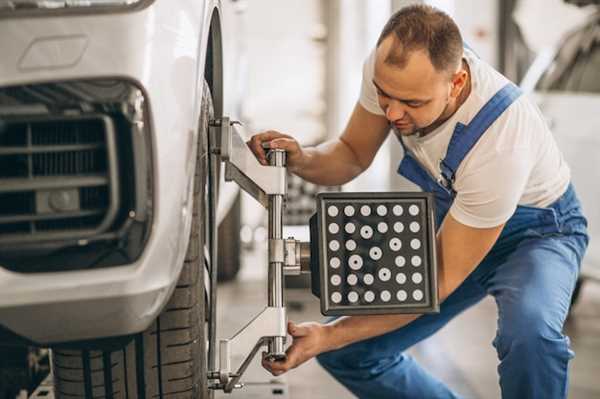
Properly set tensioners are crucial for maintaining precise valve timing in your vehicle. A malfunctioning tensioner can lead to timing discrepancies, resulting in reduced power and efficiency. Ensure the tensioner is regularly inspected and replaced when necessary to prevent slippage, which can cause significant damage.
When selecting tensioners, opt for quality brands that offer durability and reliability. Hydraulic tensioners tend to provide better performance under varying conditions compared to manual types, allowing for smoother operation. Regular maintenance can prevent issues such as excessive noise and premature wear.
Pay attention to manufacturer specifications regarding the correct torque settings during installation. Incorrect tensions can result in premature failure or suboptimal performance. Integrating high-quality tensioners can enhance acceleration, improve throttle response, and ultimately contribute to a more dynamic driving experience.
Monitoring the tensioner’s condition is necessary; listen for unusual sounds or irregularities in engine operation that may indicate wear. Utilizing advanced monitoring technology can aid in early detection of potential failures, helping to maintain optimal functioning of the entire assembly.
Choosing Between OEM and Aftermarket Timing Components
Opt for original equipment manufacturer parts when reliability and compatibility are paramount. OEM timing gears and belts are designed specifically for your vehicle, ensuring perfect fitment and adherence to factory specifications. This choice minimizes the risk of premature wear and engine malfunction.
If performance enhancement is a priority, consider aftermarket alternatives. Many aftermarket brands offer improved materials and design features that can optimize power delivery and responsiveness. Research reputable manufacturers that provide a warranty and positive user feedback.
Evaluate your long-term plans for the vehicle. If you intend to keep the car for years to come, investing in OEM might pay off. Conversely, if modifications or racing are in your sights, quality aftermarket options could offer superior performance benefits.
Consult with professionals in the automotive field to gain insights on specific products that best align with your objectives. Ensure that any components you choose are compatible with the existing systems in your vehicle to avoid costly complications.