If you’re experiencing inconsistency in your vehicle’s temperature settings, consider inspecting the blower motor. A malfunctioning blower can lead to uneven air distribution, impacting overall comfort. To identify the issue, listen for unusual noises and check for airflow disruptions.
Another area to examine is the cabin air filter. A clogged filter can severely hinder the air quality and weaken the heating and cooling capabilities. Regularly replacing the air filter is advisable to maintain optimal performance.
Additionally, faulty sensors can contribute to inaccurate temperature readings. If your dashboard displays erratic temperature information, testing the sensors for continuity might reveal underlying faults. Replacing these components often restores proper function, ensuring a more enjoyable driving experience.
Lastly, don’t overlook the role of the refrigerant levels. An insufficient supply can lead to inadequate cooling, especially in warmer months. Regular checks and refills, as necessary, are key to maintaining an optimal temperature balance within the cabin.
Diagnosing Temperature Issues in Audi Climate Control Modules
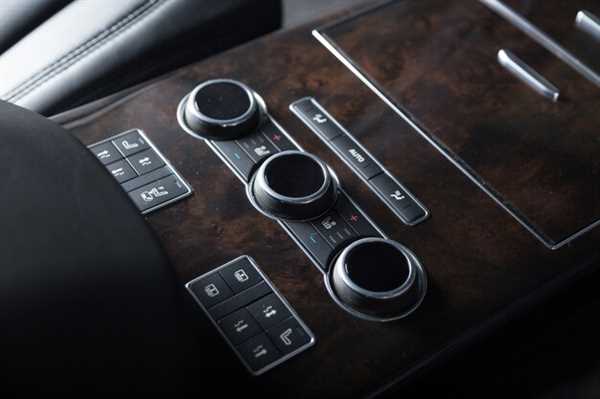
Begin diagnostics by checking the temperature settings on the interface. Ensure that both driver and passenger zones are correctly calibrated. If they display discrepancies, recalibration may be necessary.
Inspect the ambient temperature sensor, located typically near the front grille. A malfunctioning sensor can mislead the system into thinking the surrounding temperature is different from reality.
Examine the coolant levels in the system. Low coolant can hinder proper temperature regulation. If levels are below the recommended mark, topping them off may resolve inconsistent temperature issues.
Next, assess the operation of the blower motor. Listen for strange noises that could indicate wear or damage. If the blower fails to operate, airflow will be restricted, impacting temperature management.
Check for possible leaks in the ductwork. Leaks can result in temperature fluctuations due to external air mixing with conditioned air. Utilize a smoke test for a thorough inspection of these pathways.
Conduct a scan for fault codes using a diagnostic tool. These codes can pinpoint specific malfunctions within the system’s components, such as actuators or sensors.
If the heater core is blocked or failing, it can lead to inadequate heating. Assess its condition by checking for any signs of coolant leakage inside the cabin.
Lastly, ensure that all wiring and connectors related to the temperature management system are secure and free from corrosion. Poor connections can disrupt signals, leading to erratic temperature outputs.
Repairing or Replacing Malfunctioning Audi Control Components
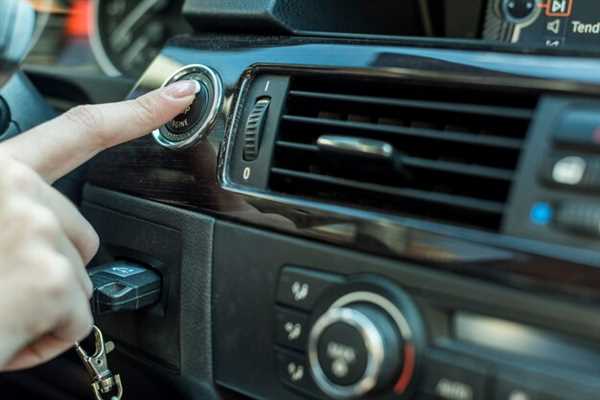
To address faulty components in your vehicle, initiate a thorough diagnostic. Utilize an OBD-II scanner to retrieve trouble codes related to the affected systems. This will guide you in pinpointing the specific malfunctioning part.
If a specific sensor, like the temperature sensor or fan control module, is identified as the issue, replacement often requires disassembling certain dashboard elements. Ensure you acquire OEM parts for optimal compatibility and performance.
Cabling and connections should also be inspected; corroded or loose connections may lead to faulty readings. Clean any corrosion with an appropriate solution and re-establish secure connections.
For advanced control units, reprogramming may be necessary. Utilize specialized software or visit a dealership that can provide an update to the vehicle’s software, ensuring all systems operate harmoniously.
In cases where component replacement is needed, follow manufacturer guidelines regarding removal and reinstallation. Always double-check electrical connections before finalizing any repairs.
Finally, conduct a test drive post-repair to confirm the functionality of the new or repaired components, ensuring that the issues have been resolved.
Understanding Error Codes Related to Audi Climate Systems
To address issues with temperature regulation, focus on retrieving the error codes from the onboard diagnostics. These codes provide insight into system malfunctions, simplifying troubleshooting.
Codes such as 01303 or 00795 often indicate issues with components like the air conditioning compressor or temperature sensors. A code 00701 could point to a fault in the blower motor, impacting airflow.
It’s advisable to utilize a VAG-COM or an OBD-II scanner designed for your model. This will allow for accurate diagnosis and help pinpoint the source of the problem.
After identifying the code, consult the vehicle’s service manual for detailed descriptions and recommended actions. Some faults may require simple fixes, while others could necessitate part replacements or professional attention.
Frequent scans and checks can prevent escalated problems, ensuring a more reliable system for comfort while driving.