Inspect your drivetrain regularly for indications of lubricant accumulation underneath your automobile. This preventive step is critical for maintaining optimal performance and longevity. A noticeable pool of oil or a damp area around the rear axle can signal a breach in the protective barriers.
Utilize a flashlight to assess the condition of gaskets associated with the transmitting systems. Look for cracks, hardening, or signs of wear that suggest potential rupture points. Replacing any compromised components promptly can avert more extensive damage and costly repairs down the line.
Pay attention to unusual sounds, such as whining or clunking during acceleration, which might indicate a warning related to the lubrication system. Regular maintenance checks will not only increase the reliability of your automobile but also enhance your driving experience by preventing fluid-related issues.
Identifying Signs of Differential Fluid Leaks in Audi Models
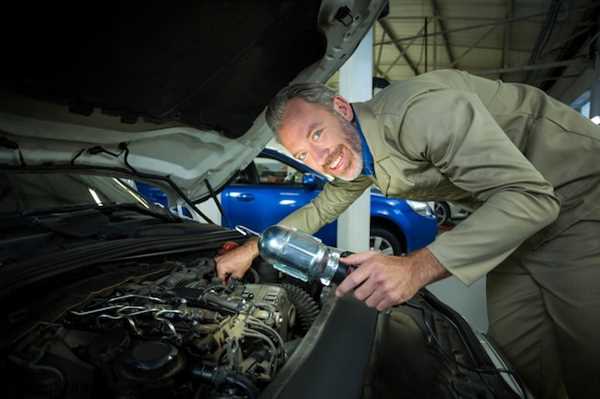
Check for puddles or wet spots beneath the rear of the automobile after it has been parked. These signs point to potential issues. Additionally, examine the undercarriage for any oil traces, which may indicate escapes from gaskets.
Monitor the transmission performance; unusual noises or rough shifting often suggest low lubrication levels due to potential escape. Inspect the rear axle housing for signs of moisture accumulation, which can indicate a failure in the protective components.
Pay attention to the dashboard warning lights. Any alerts related to low fluid levels require immediate investigation to prevent further complications. Regularly inspect the rubber components for cracks or wear, as deteriorated parts commonly lead to leakage.
Conduct periodic checks on the fluid quantity utilizing the dipstick or sight glass, if available. Noticing a decrease in the liquid level without an obvious reason is a strong indicator of complications. Consider running a visual inspection during routine maintenance to help identify minor issues before they escalate.
Lastly, listen for unusual sounds while driving. Grinding or whining noises might hint at a lack of lubrication, further supporting the need for a thorough examination of all related components.
Common Causes of Differential Seal Failure in Audi Vehicles
Overheating is a primary factor leading to the deterioration of crucial components. Excessive temperatures can result from prolonged operation under heavy loads or malfunctioning cooling circuits. Regular monitoring of temperature levels is advisable.
Contamination from debris or particles can severely compromise integrity. Environmental elements, such as dust and dirt, may infiltrate the area, resulting in abrasion and eventual breakdown. Regular inspections and clean environments help mitigate this issue.
Poor installation practices are common culprits. Improperly seated components can lead to abnormal stress and misalignment, increasing the risk of damage. Ensuring accurate installation by professionals is necessary for reliability.
Aging materials contribute significantly to failures. Over time, exposure to heat, chemicals, or moisture can degrade sealing materials. Routine checks for wear and tear are recommended, replacing compromised items as needed.
Lubrication issues may arise from neglecting maintenance schedules or using incorrect types. Inadequate lubrication can accelerate wear, so following manufacturer specifications for essential maintenance is crucial.
Extreme operating conditions, including heavy towing or aggressive driving, can put additional strain on components. Awareness of vehicle usage habits and adjusting driving styles can help preserve functionality.
Regular inspections for visible signs of damage are vital. Identifying and addressing issues early can prevent more significant problems and prolong the lifespan of critical parts.
Repair Options and Maintenance Tips for Audi Differential Seals
Inspect regularly for any signs of moisture around the housing to catch potential issues early. If wetness is detected, it may indicate a compromised barrier requiring immediate attention.
Use high-quality gaskets and adhesives during replacements to ensure a secure fit. This minimizes the chance of escaping substances, extending the life of your components.
Consider using synthetic lubricants which offer superior protection and help maintain integrity under various temperatures, reducing the risk of deterioration.
Perform routine checks every 30,000 miles or as recommended by the manufacturer. Inspecting attachment points can reveal hardware wear or looseness that could lead to breakdowns.
In case of a problem, replacing affected parts promptly with OEM components ensures compatibility and reliability. Repair kits are available, making it easier for DIY enthusiasts to handle minor fixes.
During maintenance, clean the area thoroughly to prevent debris from contaminating the surrounding area. A clean work environment is essential for a successful replacement.
Pay attention to torque specifications while reassembling parts. Correct tightening prevents overtightening, which can lead to deformation and further complications.
When servicing, always recycle the spent lubricants properly. Disposal must adhere to local regulations to prevent environmental harm.