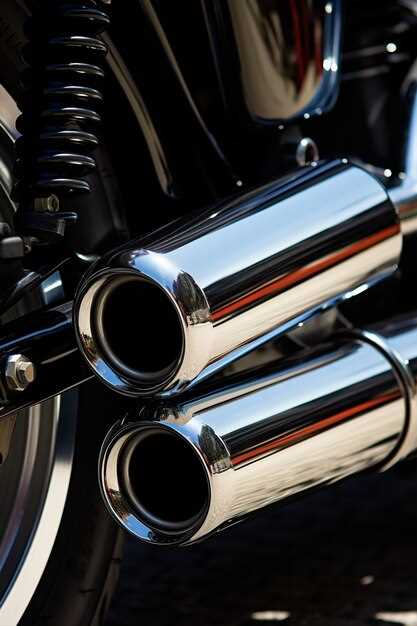
Maximizing airflow is critical for enhancing engine functionality. Prioritize high-quality materials and precise machining for any element involved in gas release. Each part must ensure minimal turbulence and optimal heat resistance.
Implementing lightweight titanium alloys can significantly improve durability and reduce inertia. This translates to better response times during operation, leading to increased throttle sensitivity. Proper seating ensures complete sealing and prevents blow-by, which is detrimental to power output.
Consider the design of the spring mechanism. Stiffer springs can maintain consistent closure at high RPM, thus avoiding float. This is an area where precise tuning can yield impressive performance gains. Regular maintenance on these systems guarantees reliability and efficiency under demanding conditions.
Material Selection for Exhaust Valves in High-Performance Audi Models
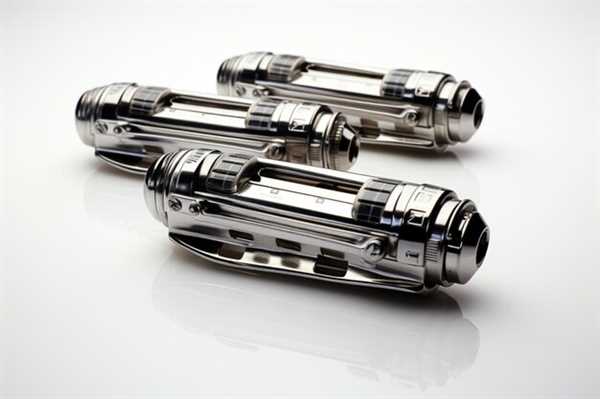
Use titanium alloys for their excellent strength-to-weight ratio and resistance to thermal fatigue. Consider Inconel for extreme heat applications due to its ability to withstand high temperatures and corrosive environments.
Key materials to evaluate include:
- Titanium: Light, durable, and highly resistant to deformation under high temperatures.
- Inconel: Offers superb high-temperature stability, especially suitable for turbocharged projects.
- Carbon Steel: Cost-effective with decent toughness, but prone to wear under extreme conditions.
Ensure surface treatments like hard coatings to improve durability. Explore nitride or chrome plating for additional wear resistance and performance enhancement.
Lastly, always analyze the specific thermal and mechanical demands of each application before finalizing material choices to optimize functionality and longevity.
Understanding Exhaust Valve Timing and Its Impact on Engine Performance
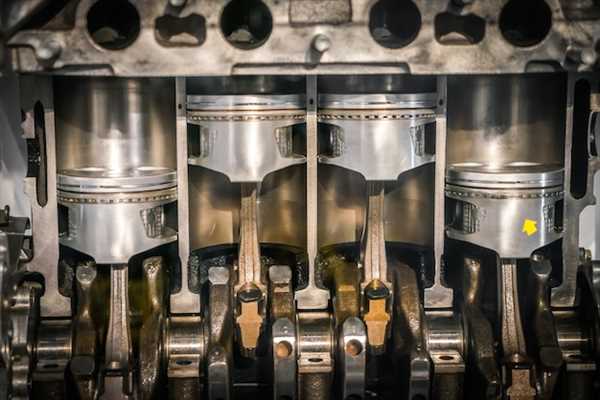
Precise management of timing for the opening and closing phases impacts overall functionality. Adjustments to the intervals can significantly enhance responsiveness and torque delivery.
For maximum efficiency, syncing the operation with the engine’s cycle is key. Optimal timing allows for greater airflow, preventing backpressure that can hinder performance. This can be achieved through advanced camshaft designs or variable timing systems.
Reducing overlap between intake and exhaust events allows for improved cylinder filling, resulting in higher power output. Ensuring that the closure aligns with the compression stroke minimizes losses, enhancing thermal efficiency and power generation.
It is advisable to evaluate aftermarket tuning solutions to refine these parameters based on specific driving conditions. Monitoring exhaust gas temperatures can provide insights on tuning adjustments needed for different performance scenarios.
Higher RPM ranges generally benefit from aggressive timing settings, while low-end torque may require a more conservative approach. Balancing these aspects enables optimal performance across various driving situations.
Regular maintenance of timing mechanisms ensures reliability and consistent performance. Worn components can lead to inaccuracies, promoting inefficiencies that affect overall output and driving dynamics.
Maintenance Tips for Optimizing the Lifespan of Exhaust Valve Components
Regular inspection of components is vital. Look for signs of wear and tear, including cracks and pitting. Addressing these issues early can prevent larger failures.
Maintain appropriate temperature levels during operation. Overheating can lead to premature degradation. Ensure proper cooling systems are functioning optimally.
Utilize high-quality lubricants to minimize friction. Choose oils specifically designed for high-performance applications to reduce wear and enhance durability.
Check the seating of each part regularly. Improper alignment can lead to leaks and inefficiencies in operation. Adjustments may be necessary to maintain performance standards.
Replace seals and gaskets as needed. These small yet crucial pieces can significantly influence effectiveness if they become worn or degraded over time.
Perform routine cleaning. Carbon buildup can impede function. Use solvents appropriate for automotive applications to keep surfaces clean and operating smoothly.
Monitor engine tuning. An optimally tuned system ensures that all parts work in harmony, reducing stress and extending the lifespan of critical components.
Invest in high-quality materials for replacements. Cheaper alternatives may save money short-term but can lead to frequent replacements, ultimately increasing costs.
Keep an eye on aftermarket modifications. While upgrades can enhance performance, some may inadvertently stress essential parts. Ensure compatibility and functionality with existing systems.