Begin by assessing the electrical connections to the delivery system. Ensure all plugs and wiring are free from corrosion or damage. A malfunctioning relay can disrupt the functioning of the system, leading to inadequate flow. Look for any signs of wear or fraying, and replace components as necessary.
Next, investigate the pressure reading with a gauge. Confirm that the metrics align with manufacturer specifications. If readings are outside the recommended range, it may indicate a blockage or a problem with the component itself.
Don’t overlook fuel quality; contaminated supply can impede performance significantly. Replace old fuel and consider a system cleaner to remove impurities. Regular maintenance can prevent these difficulties from becoming recurrent.
Lastly, inspect the intake for any obstructions. A clear pathway is essential for optimal flow. If your model features a filter, ensure it’s not clogged, as this can severely affect delivery efficiency.
Identifying Symptoms of a Malfunctioning High Pressure Fuel Pump
Monitor engine performance closely. A noticeable decrease in power during acceleration may indicate complications within the delivery system.
Pay attention to vehicle starting issues. Extended cranking times or failure to start can signify inadequate liquid movement, leading to insufficient combustion.
Check for unusual noises. Hearing whining or buzzing sounds from the rear of the vehicle can suggest malfunctioning components impacting liquid supply.
Look for irregular idling. If the engine experiences fluctuations in speed or stalls unexpectedly, this may point to a failed component in the delivery system.
Inspect fuel consumption. A sudden increase in liquid usage without changes in driving behavior may signify a malfunction that affects efficiency.
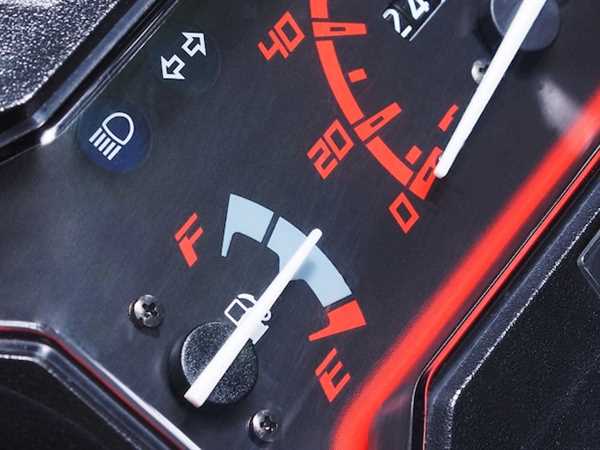
Examine dashboard warnings. Any illuminated indicators related to fuel might suggest an underlying problem needing immediate attention.
Monitor vibrations. Excessive shaking during operation can indicate an imbalance in the liquid delivery system affecting overall vehicle stability.
Diagnosing Electrical and Mechanical Failures in the High Pressure Fuel Pump
Begin with a thorough visual inspection. Look for signs of corrosion, frayed wiring, or loose connections in the electrical system. Ensure the harness is secure, as vibrations can lead to wear and tear.
Use a multimeter to check for voltage at the connector. If the voltage is absent, trace back through the circuit to identify the fault, focusing on relays and fuses that may disrupt power supply.
Examine the mechanical components. Listen for unusual noises while the engine runs, which may signal internal failures. A knocking sound might indicate wear in the bearings or vanes.
Apply pressure testing to assess the performance under operating conditions. A drop in pressure may suggest wear or damage within the unit. Verify that the unit maintains the required specifications per manufacturer guidelines.
Check for signs of fuel leaks around seals and gaskets. If any are observed, replace them immediately to prevent contamination and pressure loss.
Evaluate the return line for blockages that might cause excess strain. Blockages can lead to overheating, impacting performance and lifespan.
Lastly, connect a diagnostic tool to retrieve any fault codes from the ECU. This data can pinpoint electronic failures that contribute to overall performance issues.
Step-by-Step Repair Procedures for Audi High Pressure Fuel Pump Problems
Check for diagnostic trouble codes using an OBD-II scanner. Identify specific faults related to fuel delivery.
Inspect the electrical connections to the device for corrosion or damage. Ensure all connectors are secure and free of contaminants.
Remove any faulty components, starting with the intake manifold if necessary. Pay attention to the gasket condition to prevent future leaks.
Replace the malfunctioning part with a new assembly. Ensure the installed model matches OEM specifications for compatibility.
Reconnect all electrical wiring, ensuring proper insulation to avoid short circuits. Use dielectric grease if applicable.
Reinstall any parts removed for access, double-checking their positions and securing fasteners to manufacturer torque specifications.
Refill the fuel tank if it was drained during repairs. Turn the ignition key without starting the engine to prime the system and check for leaks.
Start the engine and observe for any unusual noises or warning lights on the dashboard. Conduct a road test to confirm performance.
Perform a final scan with the OBD-II scanner to ensure no new codes appear. Monitor engine behavior for stable operation over time.