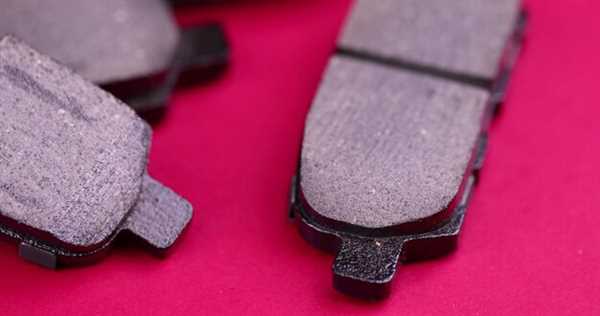
If you seek superior stopping power and consistent performance for your vehicle, consider selecting variants with high friction coefficients and optimal heat dissipation characteristics. It is advisable to use materials that exhibit minimal fade even during prolonged braking. Look for options that balance the need for low dust production while maintaining high responsiveness under pressure.
The materials often employed in advanced stopping systems range from metallic to ceramic alternatives. Each type offers distinct advantages; for instance, metallic options provide excellent durability and a strong bite, while ceramics tend to excel in quiet operation and reduced wear on rotors. Investigating specific formulations and their respective heat thresholds will also enhance your choice.
Further, ensure compatibility with your vehicle’s brake system, as mismatches can lead to subpar performance or premature failure. Evaluating available choices through detailed reviews and user experiences can provide insight into the most reliable selections tailored for your driving style.
Understanding Different Brake Pad Materials for Audi Models
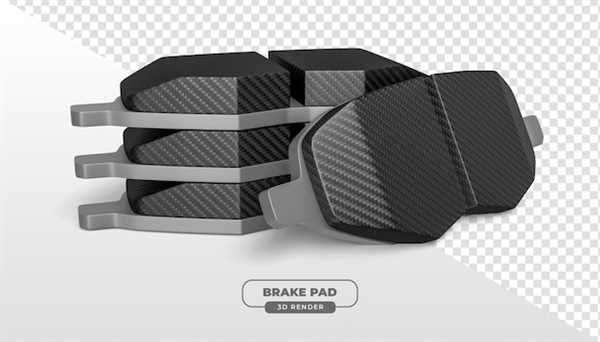
Ceramic options provide reliable stopping power with minimal dust production, making them suitable for everyday driving and light spirited use. Their heat resistance enhances performance during regular conditions.
Organic materials offer a quieter ride, though they may produce more dust and wear faster than other types. They are best for those prioritizing comfort and low noise levels.
Metallic formulations deliver superior performance under high stress, ideal for track enthusiasts. This type exhibits excellent heat dissipation, ensuring consistent performance, but at the cost of more noise and dust.
Composite variations blend materials to offer a balance between performance and everyday usability. They strike a good compromise for those who enjoy spirited driving without the drawbacks of more aggressive options.
Choosing the right material depends on driving style, climate, and vehicle type. Audi enthusiasts should consider what aspects of control, durability, and noise levels they value most in their selection.
Performance Characteristics of Audi-Specific Brake Pads
Audi-centric friction components provide optimized stopping power under high-stress conditions. These units are designed to maintain consistent grip, ensuring reliable deceleration while minimizing fade during spirited driving.
High-temperature resilience is a key feature, enabling performance retention even after extended use. This is critical for handling demanding applications such as track days or spirited canyon runs. Consider options that incorporate advanced materials to enhance thermal stability.
The noise and dust levels produced by these units are important for everyday driving comfort. Premium variants often feature formulations that significantly reduce both, ensuring a quieter operation without sacrificing responsiveness.
Pedal feel promotes driver confidence; therefore, select friction products that offer linear feedback. A direct connection between the driver’s input and vehicle behavior enhances control, especially in high-performance scenarios.
Compatibility with various rotor types ensures that enhancements in braking power are fully realized. Look for products tested with specific rotor designs to achieve maximum efficiency and reduce wear on both components.
Lastly, ensure proper selection according to driving style and vehicle usage. Options are available for daily commuting, high-performance scenarios, and everything in between. Tailoring your choice to specific needs allows for an optimized experience behind the wheel.
Choosing the Right Brake Pad Compound for Track vs. Street Use
For track applications, select a compound optimized for high temperatures and consistent performance during aggressive maneuvers. Look for options that offer excellent fade resistance and immediate bite, enabling faster lap times and better control under braking. Compounds like carbon-ceramic or semi-metallic are popular choices among enthusiasts aiming for enhanced stopping power without compromising on reliability.
On the street, prioritize comfort and longevity. Choose formulations that minimize noise and dust while providing adequate stopping ability for everyday driving. Organic or low-metal options are ideal, as they offer quieter operation and reduced wear on rotors, ensuring a smoother ride during daily commutes.
Evaluate driving style and typical usage. If frequent track days are planned, investing in specialized racing alternatives warrants consideration. For those primarily using their vehicles for daily transport with occasional spirited driving, a balanced street compound suffices and prolongs the lifespan of braking components.
Always ensure compatibility with your vehicle’s specs. Consult your manufacturer or specialist to determine optimal solutions tailored to your specific model. Proper selection maximizes performance and safety across varying conditions.