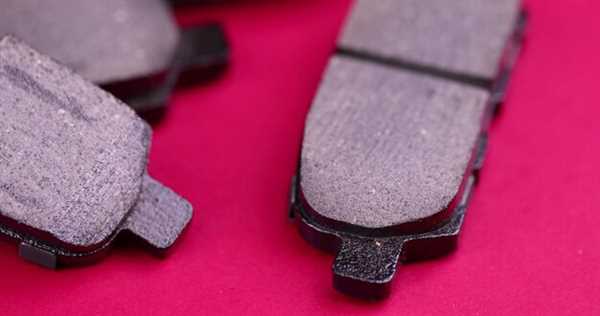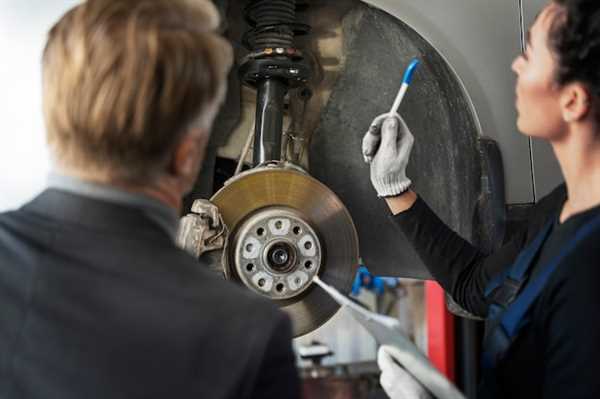
Inspect for vibrations or steering wheel wobble when applying pressure to the pedal. Such disturbances can indicate uneven wear or damage to the components in question, often necessitating immediate attention.
Listen for any grinding or screeching noises during braking. These sounds usually signal that the friction material is worn too thin, leading to potential rotor damage, which requires swift remediation.
Check for visible wear or warping on the rotor’s surface. An uneven or scored appearance could mean that replacing the part is imminent to ensure optimal performance and safety.
Pay attention to increased stopping distances. If noticeable, this suggests a reduction in braking efficiency that could stem from degraded components, warranting a reassessment of their condition.
Unusual Noises When Braking
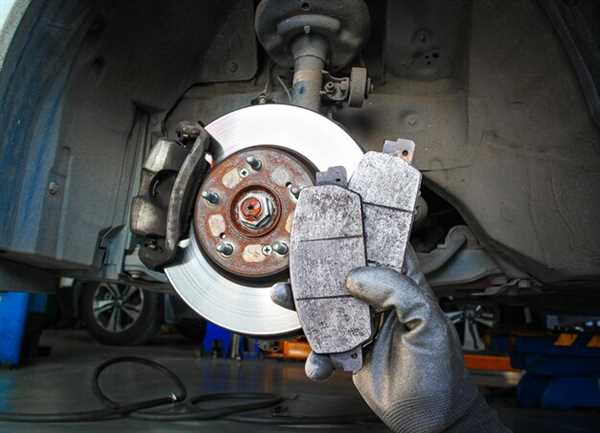
If grinding or squeaking sounds are heard while decelerating, it’s a clear indication of wear and tear on components that might require attention. Such sounds often stem from the friction material deteriorating or contaminants in the system.
Common sounds include:
- Squeaking: This may indicate insufficient lubrication or worn friction material.
- Grinding: A sign that backing plates or the rotor surface may be damaged or excessively worn.
- Thumping: Could suggest warped components or uneven wear.
Ignoring these indicators can lead to further damage and increased repair costs. Regularly inspect parts involved in the stopping system for any unusual characteristics.
It’s advisable to consult a qualified technician for a thorough examination and to determine whether parts should be serviced or exchanged.
Vibrations in the Steering Wheel

If your steering wheel shakes while applying the pedal, it often indicates warped components. Uneven wear on the friction surfaces results in vibrations transmitted through the steering system, making the vehicle uncomfortable to drive.
Check the thickness of the discs; an excessive reduction could cause instability. Inspect the pads as well, ensuring they are not worn unevenly. If replacing one component, consider upgrading the entire system to maintain balance and performance.
Perform a thorough examination of the suspension and alignment settings, as misalignment can exacerbate any issues with the friction components. Regular maintenance will help identify these concerns earlier, preventing more extensive damage.
Ignoring vibrations might lead to further compromise of the braking system, potentially resulting in reduced stopping power. Timely assessment and action are advised to enhance safety on the road.
Decreased Stopping Performance
If you experience longer stopping distances or a soft brake pedal, it’s crucial to assess the status of your stopping components. Insufficient stopping force often indicates that the disc surfaces are compromised. Reduced friction between the pads and the disc can lead to diminished control during braking.
Monitor how the vehicle responds under various conditions. A vehicle should halt quickly and precisely without excessive pressure on the pedal. If you notice any delays or an increased effort required to stop, consider a thorough inspection. Irregular wear patterns may signal that the discs are not functioning optimally, so replacement may be necessary to restore performance.
Pulsations felt in the pedal during braking can further imply uneven thickness or distortions in the disc. Regular maintenance is key; keep track of any changes in performance. Prioritize addressing these issues before they escalate into more severe problems that could affect safety.