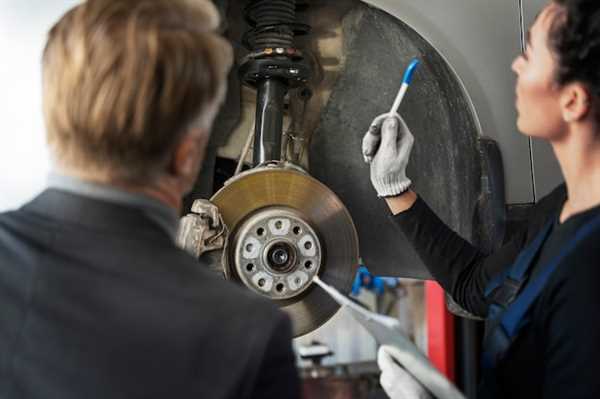
For Audi owners encountering feedback alerts related to their stopping system, immediate action is recommended. Ignoring these indicators can lead to safety hazards and more costly repairs down the line. Regular maintenance checks should include a focus on the braking mechanism to ensure performance remains optimal.
When dealing with malfunction symptoms, it’s essential to assess the root of the issues, such as wear on components that signal functionality. Consider using OEM parts to maintain the integrity of your vehicle’s braking system, ensuring compatibility and longevity.
Choosing a reliable service provider is vital for timely addressing of any discrepancies. Look for specialists familiar with your model’s intricacies, as they can offer tailored solutions backed by experience. Prioritize shops that utilize quality diagnostics to pinpoint problems accurately, allowing for efficient troubleshooting and repair.
Understanding Common Brake Sensor Warning Signs in Audi Vehicles
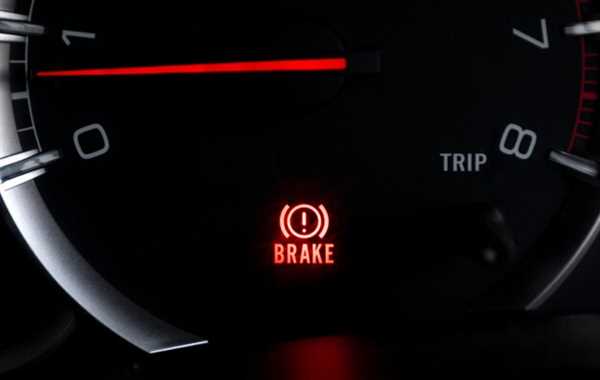
Pay attention to illuminated dashboard indicators indicating potential braking malfunctions. Such signals often manifest as a bright warning light resembling an exclamation mark within a circle, prompting immediate inspection.
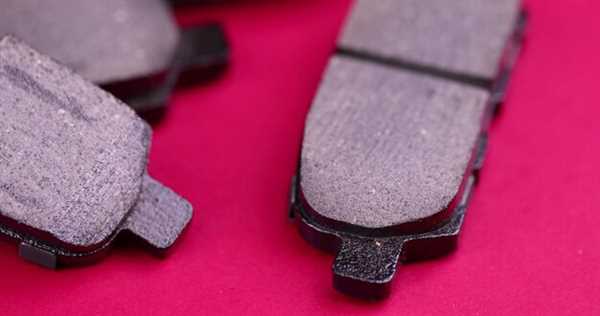
Watch for unusual noises during braking activities. Grinding or squeaking sounds may suggest that pads are worn out, necessitating evaluation of brake components.
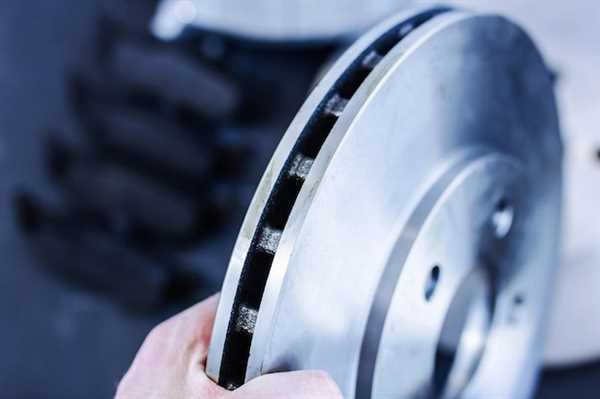
Detect any vibrations or pulsations through the brake pedal while decelerating. This sensation could indicate issues with rotor alignment or thickness, which should be assessed without delay.
Monitor for any changes in pedal feel. A soft or spongy brake pedal might suggest air in the hydraulic system, potentially signifying wear on essential elements that require urgent attention.
Be alert for leaking fluid around the wheel area or under the vehicle. Fluid loss can compromise system performance, indicating that components may need replacement or repair.
Regularly inspect brake fluid levels. A significant drop could hint at a malfunction or leak within the system, requiring prompt diagnostics to ensure safe vehicle operation.
Choosing the Right Audi Parts for Brake Sensor Replacement
Select high-quality components from trusted manufacturers to ensure optimal performance. OEM (Original Equipment Manufacturer) parts are often recommended for precise fit and reliability. Verify compatibility with your specific model and production year before purchase.
Examine the warranty offered on the parts, as reputable brands provide assurance against defects and premature failure. Always check reviews and ratings from other users to gauge the reliability of the parts you intend to buy.
Consider purchasing from authorized dealers or certified online platforms specializing in Audi components. This mitigates risks associated with counterfeit or substandard alternatives.
Evaluate materials used in the components; they should meet or exceed factory specifications. Quality materials enhance durability and ensure consistent functionality, reducing the likelihood of future issues.
Engage with experienced technicians for installation to guarantee that everything is correctly fitted. Proper installation prevents future complications and ensures the longevity of the new components.
Step-by-Step Guide to Replacing Brake Sensors in Audi Models
Verify the warning light functionality on your dashboard. If the alerts are triggered, inspect the components directly.
- Gather necessary tools: socket set, screwdriver, and safety gloves.
- Park the vehicle on a level surface and engage the parking brake.
- Remove the wheel covering the affected component using the socket set.
- Disconnect the electrical connector linked to the part you are swapping.
- Remove the mounting bolts securing the sensor, using the appropriate socket size.
- Position the new part in place, securing it with bolts.
- Reconnect the electrical connector, ensuring a tight fit.
- Reassemble the wheel and lower the vehicle back to the ground.
- Test the system by starting the engine and checking for warning indicators.
Acquire quality components from reputable suppliers to ensure reliability. Regularly inspect functionality to maintain optimal performance.