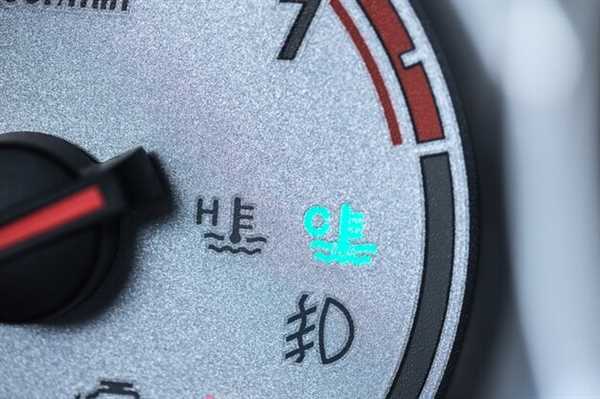
First, ensure to check the connection and wiring of the speed measurement components if you encounter an alert on your dashboard related to wheel revolutions. Inspect for any signs of corrosion or damage that may disrupt the electrical flow.
Pay attention to abnormal behavior, such as inconsistent readings or loss of traction control. Promptly troubleshoot these indicators to maintain optimal vehicle performance. Often, these symptoms correlate with faulty components that require immediate assessment and potential replacement.
Monitor your vehicle’s handling and braking characteristics. If any strange vibrations or sound anomalies arise during driving, be ready to address them quickly. Conducting regular maintenance and diagnostics can preempt severe complications and enhance overall safety.
In case you are facing installations or replacements, refer to the manufacturer’s specifications for tools and procedures tailored to your model. Utilizing appropriate techniques ensures longevity of the replacement parts and retains the functionality of your system.
Common Symptoms of Faulty Audi Wheel Speed Sensors
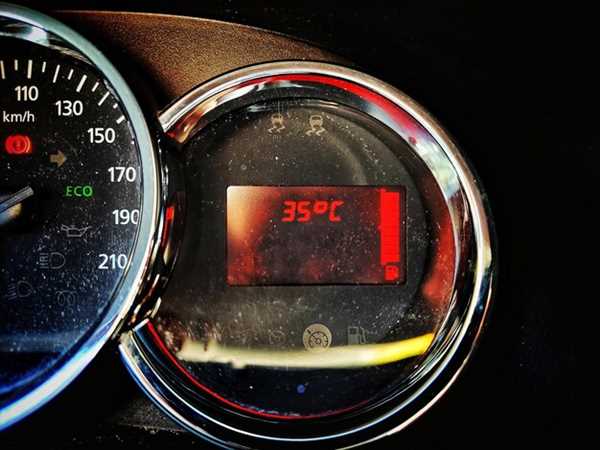
A malfunctioning unit can result in inconsistent data readings, leading to erratic performance of traction control systems. If the vehicle struggles to maintain traction, particularly on slippery surfaces, this could indicate a problem.
Look for the activation of stability control systems or anti-lock brakes without apparent reason. An illuminated indicator on the dashboard may signal that something is amiss.
Pay attention to variations in speedometer accuracy. Erroneous readings can occur, showing speeds that do not reflect actual movement.
Increased stopping distance can signify an issue with the braking assistance functions, affecting overall safety. A lack of responsiveness in braking can further confirm sensor failure.
A continuous or intermittent tone from the car’s system might indicate a need for immediate inspection.
Finally, be alert to any warning messages displayed on the dashboard, which can provide early indications of sensor dysfunction.
Diagnostic Steps for Identifying Wheel Speed Sensor Malfunctions
Begin with a thorough visual inspection of the components related to the sensor. Check for any physical damage, disconnected wires, or corrosion that may hinder functionality.
Next, utilize a diagnostic scanner to retrieve any fault codes from the vehicle’s computer. This data can provide insight into potential discrepancies related to the sensor performance.
Following the code retrieval, conduct a resistance test on the sensor. This involves disconnecting the sensor connector and measuring the resistance across the terminals. Compare the readings with manufacturer specifications.
Check voltage supply to the sensor while the vehicle is running. A multimeter will help verify that the sensor receives the correct voltage. Irregularities here often point to wiring or connector issues.
Perform a testing procedure while the vehicle is in motion. Observe the live data from the diagnostic tool to ensure accurate readings as the wheels rotate. Inconsistent values indicate possible sensor failure.
If symptoms persist, examine the reluctor ring for damages or debris that may obstruct the sensor’s functionality. Cleaning or replacing the ring might be necessary.
Finally, consider swapping the faulty sensor with one from another wheel, if feasible. This will help quickly determine if the sensor itself is the problem or if the issue lies elsewhere in the system.
Recommended Solutions and Preventive Measures for Audi Wheel Speed Sensor Problems
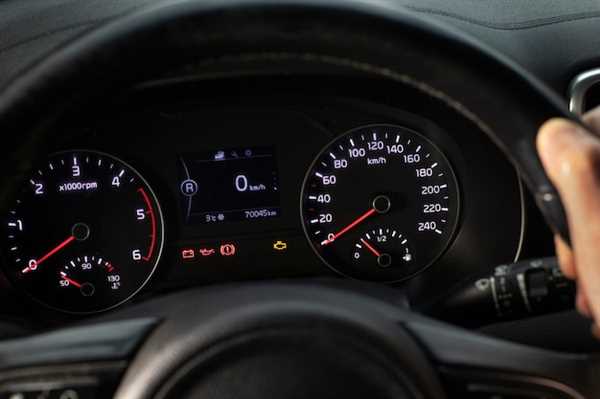
Regularly inspect all related components for wear and damage. Replacing faulty parts promptly prevents further complications.
Utilize quality replacement components to ensure compatibility and longevity. Cheap alternatives may lead to recurring failures.
Implement a routine check of electrical connections. Clean, secure connections protect against signal interruptions and malfunctions.
Monitor dashboard indicators for any inconsistencies. Early detection of irregularities allows for timely maintenance and avoids escalation of issues.
Keep the braking system in optimal condition. Proper maintenance of brakes contributes to overall safety and function, reducing strain on associated components.
Calibrate after any repair. Correct alignment ensures accurate readings and prevents false alerts.
Consult with skilled technicians for diagnostic checks when warning signals are triggered, ensuring precise identification of the problem.
Stay informed about recalls or service bulletins related to specific components, as manufacturers may provide guidance or solutions for known complications.
Check for moisture intrusion around fittings. Seal cracks or vulnerabilities to prevent corrosion damaging the signals.