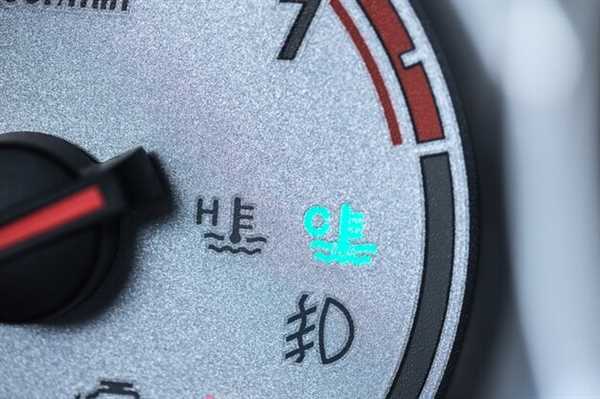
Directing attention to the frequent complications associated with ignition systems in your vehicle can significantly enhance performance. Begin by inspecting the condition of coil packs, as wear can lead to misfires and reduced engine efficiency. Regular checks at specified intervals can prevent these malfunctions, ensuring reliable operation.
Check for electrical connections that might corrode or become loose over time. A secure connection is vital for optimal performance. Cleaning connectors and verifying tightness often resolves ignition faults without needing extensive repairs.
It’s advisable to monitor any warning lights on the dashboard. If the check engine light activates, diagnosis with a scanner can pinpoint the specific coil or associated components requiring attention. Addressing diagnostic trouble codes expediently can help maintain vehicle integrity and improve longevity.
Given the increasing complexity of engine systems, consider replacing coils in pairs or sets. This approach ensures uniform performance across cylinders, reducing the likelihood of uneven wear and tear that can lead to further complications down the line.
Diagnosing Misfires and Poor Engine Performance in Audi Models

Begin diagnostics by scanning for any error codes using an OBD-II scanner. Codes related to cylinder misfires or ignition circuit faults can indicate problems with the firing components.
Next, perform a visual inspection of the ignition wiring and connectors, looking for signs of wear or damage. Corroded connectors can lead to poor electrical contact and reduced performance.
Check the spark plugs for wear and carbon buildup. If plugs appear worn or fouled, replacement is advisable. Look for differences in color between them, which can reveal specific cylinder issues.
Examine each coil for signs of arcing or cracking. A malfunctioning coil can cause misfires, impacting engine power. Here are steps to troubleshoot:
- Swap coils between cylinders to identify if the misfire follows the coil. If the misfire shifts, the coil is likely the culprit.
- Measure the resistance of the coils with a multimeter. Compare results to specifications noted in the service manual.
Conduct a compression test on the engine. Low compression in a cylinder may suggest mechanical failures such as worn piston rings or valve issues, contributing to performance problems.
Evaluate fuel delivery to ensure injectors are functioning properly. A clogged or malfunctioning injector can lead to inadequate fuel supply, causing misfires. Use a fuel pressure gauge to assess system pressure.
If all components check out but performance issues persist, consider the engine’s timing. A misaligned timing belt or chain can create synchronization problems, leading to significant performance drops.
By systematically addressing these areas, you can effectively pinpoint the root of engine performance challenges in your vehicle.
Identifying Symptoms of Faulty Ignition Coils in Audi Vehicles
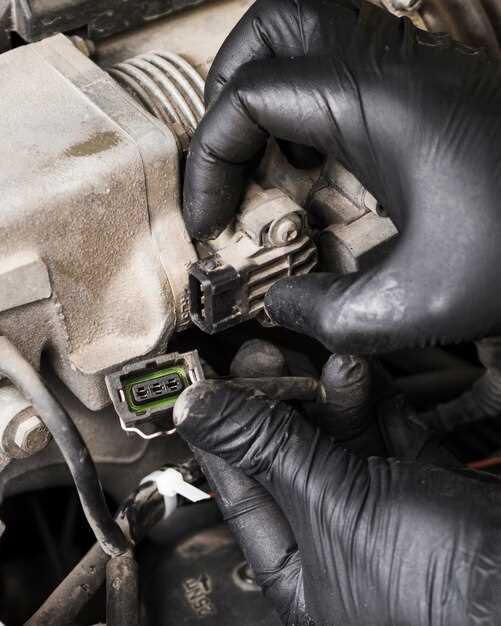
One clear indication of malfunctioning coils is engine misfire. This may manifest as a rough idle or stuttering during acceleration. If noticeable fluctuations occur in power delivery, further inspection is warranted.
Another sign is difficulty starting the engine. If the vehicle struggles to turn over or requires multiple attempts to start, faulty coils could be a contributing factor.
Poor fuel efficiency often links to coil problems. A noticeable increase in fuel consumption can emerge if the coils are failing to ignite the fuel-air mixture effectively.
Inspect for check engine light activation. Error codes related to ignition issues often accompany this warning. Utilizing an OBD-II scanner can assist in pinpointing the specific error codes related to coil performance.
Unusual engine noises, such as backfiring or popping sounds, indicate that the combustion process is not operating smoothly, often due to abnormal coil functionality.
If electrical issues arise, such as sudden loss of power or sporadic electrical component failures, it may signify compromised coils affecting the overall electrical system.
Detailed Replacement Guide for Audi Ignition Coils
Begin by gathering necessary tools: ratchet set, torque wrench, and an insulating mat. Make sure to have the replacement coils ready for installation.
Disconnect the negative battery terminal to prevent electrical shorts while working. Locate the coil pack, usually situated on top of the engine, secured by bolts or clips.
Remove any engine covers if necessary. Carefully disconnect the wiring harness from the coil by pressing the release tab. Use gentle pressure to avoid damaging the connectors.
Unscrew the bolts that secure the coil in place. Gently pull the coil out of the spark plug well. If it’s stuck, a slight twisting motion can help, but avoid excessive force.
Inspect the spark plug for wear. Replace if necessary before installing new coils. Clean the area around the spark plug well to prevent debris from entering the combustion chamber.
Insert the new coil into the spark plug socket, ensuring it seats properly. Reattach the securing bolts but do not overtighten; use a torque wrench to tighten to manufacturer specifications.
Reconnect the wiring harness, ensuring a firm click indicates a secure connection. Replace any engine covers that were removed earlier.
Reconnect the negative battery terminal. Start the engine to verify proper operation. Monitor for any warning lights on the dashboard or unusual engine behavior.
If issues persist, conducting further diagnostics may be necessary to rule out other potential faults in the system.