Monitoring the engine temperature gauge is crucial. An unexpected increase in temperature may signal that the temperature control component is not functioning correctly. If the needle approaches the red zone, inspect the system immediately to avoid extensive damage to critical components.
Unusual fluctuations in temperature readings can also suggest problems within the regulating unit. If the temperature appears inconsistent–rapidly rising and then dropping–this indicates that the mechanical device may not be maintaining the proper thermal equilibrium, leading to potential overheating or suboptimal operating conditions.
A presence of coolant leaks around the engine compartment is another warning sign. When you notice spots or puddles beneath your vehicle, it may indicate a compromised seal or damage in the system, often caused by the malfunctioning regulator. Regularly checking for leaks can prevent larger, costly repairs.
Listen for unusual sounds during operation. A rattling or hissing noise could indicate that the cooling system is struggling due to blockages or failures within the component. Pay attention to any irregular sounds, as they can provide critical insights into the cooling mechanism’s state.
Finally, if you experience reduced cabin heating during colder months, this can indicate that the component is not directing coolant flow properly. Assessing the heating system’s performance can reveal underlying issues that may require attention sooner rather than later.
Identifying Overheating Issues in Audi Models
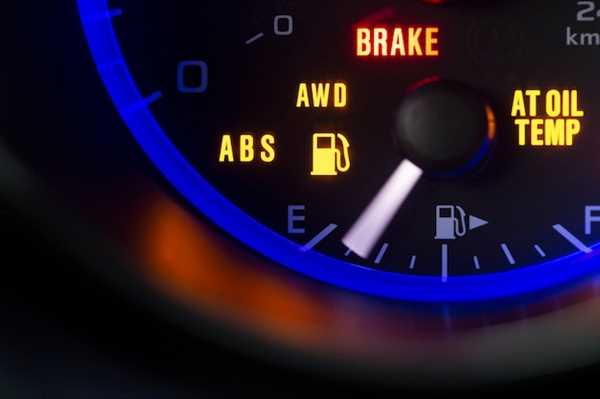
Check the temperature gauge regularly; an unexpected rise indicates potential problems. Monitor for signs of steam from the hood or unusual smells. Inspect hoses for cracks or leaks, as they may lead to coolant loss. Ensure that the cooling fan is operating properly; a malfunction can impede heat dissipation. Listen for abnormal noises from the engine, which may signal strain or overheating.
Inspect coolant levels routinely. Low levels can cause overheating and point to leaks or evaporation concerns. A discolored liquid may suggest contamination, requiring immediate attention. Examine the radiator for blockages or damage; debris can obstruct airflow, leading to temperature spikes. Assess the engine block for signs of warping or deterioration, which can impact performance significantly.
Frequent need for coolant refills could imply a leak. Monitor the operation of the water pump; a malfunctioning pump can disrupt circulation and prompt overheating. Pay attention to warning lights on the dashboard, as they often indicate critical issues needing resolution. Leveraging diagnostic tools can help identify underlying problems, streamlining the repair process.
Recognizing Fluctuations in Temperature Gauges
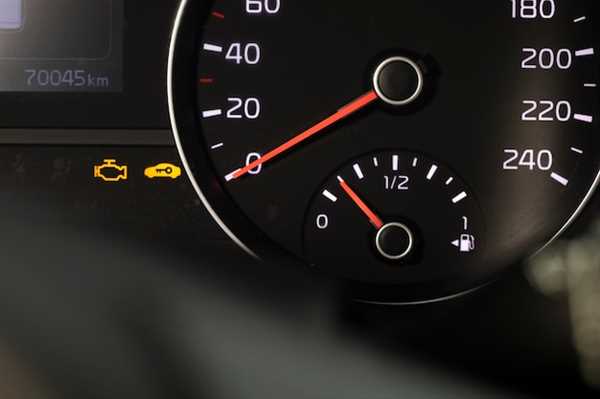
Monitor your dashboard closely. A temperature gauge fluctuating between normal and high readings indicates issues within the cooling system.
Pay attention to rapid changes. If the needle jumps suddenly to the upper range, it could denote overheating, often linked to cooling system inefficiencies.
Observe if the gauge stabilizes after a short period. If it bounces back down quickly, the problem may persist unless addressed.
Check for discrepancies between the gauge reading and the engine’s actual temperature. Installing a separate temperature monitor can provide clarity and verify the accuracy of the dashboard indicator.
Assess any unusual noises from the engine compartment. Gurgling sounds or hissing could suggest coolant boiling, hinting at underlying issues.
Examine for fluid leaks. Puddles beneath your vehicle could signify problems leading to inefficiencies in heat regulation.
Observe any warning lights on the dashboard. An illuminated check engine light might accompany temperature gauge irregularities, indicating the need for further investigation.
Analyzing Coolant Leaks and Their Impact on Performance
Immediate attention is required when observing coolant leaks as they can lead to overheating and damage to internal components. Regular inspections of hoses, gaskets, and radiator connections are essential to preventing fluid loss and preserving system integrity.
Check for signs of coolant around the engine bay or beneath the vehicle, which can indicate a deteriorating seal. If the fluid is discolored or has an oily texture, it may suggest contamination, necessitating a full system assessment.
Monitor the vehicle’s temperature gauge; sudden spikes can signify inadequate cooling due to leaks. If engine performance declines, such as reduced power or unusual noises, investigate coolant levels immediately. Low levels can cause the engine to run lean, leading to premature wear of key components.
Address leaks promptly by replacing worn gaskets or damaged hoses to restore optimal functionality. Employing high-quality replacement parts can enhance reliability and performance. Regular maintenance, including coolant flushes, supports long-term system health and efficiency.