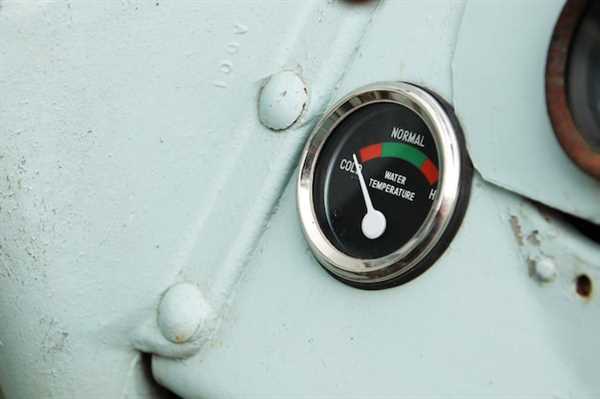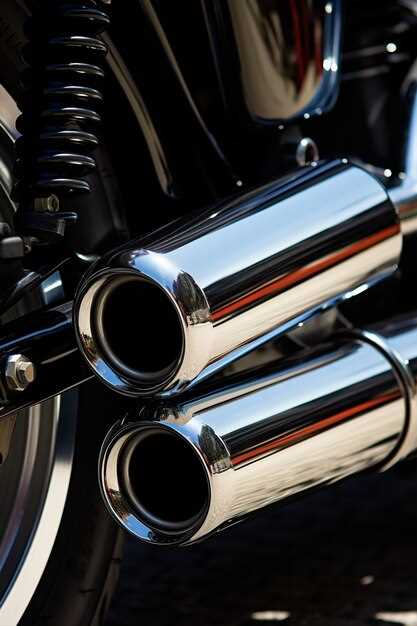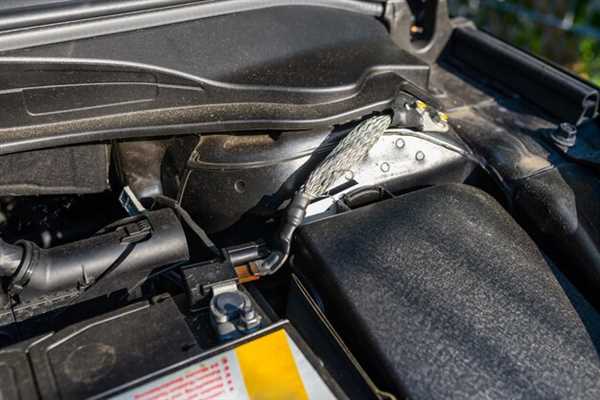
To address the frequent problems associated with emissions systems in certain models, regular inspections are critical. This proactive approach can help identify deteriorating components before they lead to significant failures. The exhaust assembly often experiences clogs or inefficiencies, necessitating comprehensive diagnostic checks.
Be vigilant for signs of performance degradation, such as decreased acceleration or odd engine sounds. Such symptoms can indicate a malfunctioning component. If performance diminishes, explore the possibility of blockages, which might require cleaning or replacement to restore optimal functionality.
Upgrading to high-flow alternatives may enhance efficiency, particularly for enthusiasts aiming to boost horsepower. However, ensure that any modifications comply with local emissions regulations to maintain legal roadworthiness. A consistent maintenance schedule will enhance longevity and performance while reducing the risk of costly repairs.
Common Symptoms of Catalytic Converter Failure in Audi Models
Experiencing reduced engine performance is a clear indicator that further investigation is necessary. A noticeable drop in acceleration can signal trouble with the emissions component.
Frequent triggering of the check engine light should prompt immediate attention. This warning often relates to excessive emissions or malfunctions within the exhaust system.
Unusual odors, particularly a strong smell of sulfur, might indicate that the emissions unit is not effectively processing exhaust gases. This warrants closer examination.
If unusual sounds like rattling or clanging arise from underneath the car, internal damage to the emissions component could be the cause. Such noises commonly suggest that the internal structures have degraded, requiring inspection.
Increased fuel consumption is another significant symptom. If the vehicle exhibits a drop in fuel efficiency, it may point to inefficient exhaust gas processing.
A noticeable decrease in engine performance when the car heats up further emphasizes potential issues. If problems worsen with increased temperature, it may confirm failures within the emissions system.
Observing dark exhaust smoke may indicate that the internal mechanisms are compromised. This issue suggests that the air-fuel mixture is not being managed correctly.
Addressing these symptoms promptly can help avoid more severe engine complications and costly repairs. Regular maintenance checks will enhance the longevity and efficiency of this critical component.
Step-by-Step Guide to Diagnosing Catalytic Converter Problems in Audi Vehicles
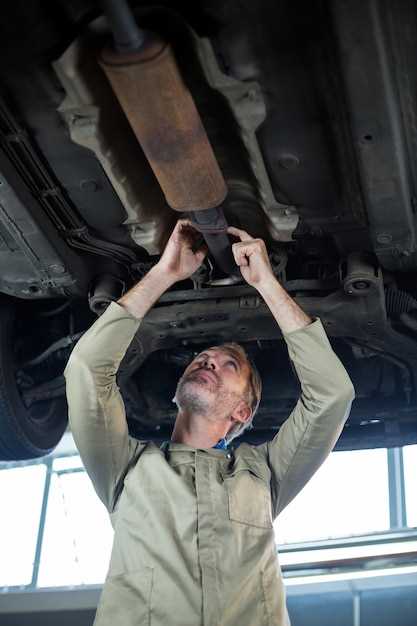
Begin with a visual inspection. Check for any visible damage, rust, or leaks around the exhaust system, particularly at the joints and connections.
Next, listen for unusual sounds. A rattling noise may indicate internal damage. This can signify that internal elements are breaking loose.
Monitor performance. Notice any decrease in acceleration or power during driving. A clogged unit can lead to poor engine performance.
Utilize an OBD-II scanner to retrieve any trouble codes. Codes related to engine performance or emissions can pinpoint faults associated with the exhaust component.
Perform a temperature test. Measure the temperature at the inlet and outlet of the component. A significant difference indicates proper functionality; similar temperatures suggest blockage.
Examine exhaust emissions. Dark or excessive exhaust can signal improper fuel combustion and may suggest a malfunctioning part.
Conduct a backpressure test. This helps determine if the flow of gases is obstructed, impacting engine performance. Measurements outside the standard range warrant further investigation.
If problems persist, consider replacing faulty oxygen sensors. Malfunctioning sensors can mislead the engine control unit, leading to suboptimal performance.
After identifying the fault, repair or replace the affected parts according to the diagnosis. Always use high-quality components for optimum performance.
Cost-Effective Solutions for Replacing or Repairing Audi Catalytic Converters
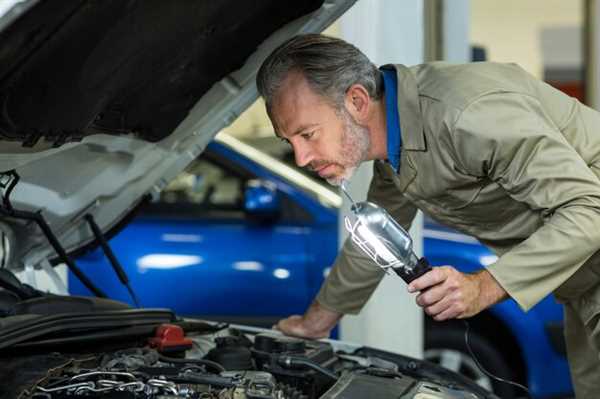
Consider purchasing aftermarket alternatives that meet quality standards. They often provide substantial savings compared to OEM options. Look for reputable brands that offer warranties, ensuring durability and performance.
Reconditioning existing units can be a viable choice. Professional services that clean and restore functionality may extend the lifespan significantly at a fraction of replacement costs.
Checking for leaks or blockages in the exhaust system before deciding on costly replacements is advisable. Minor repairs can resolve performance issues without full component changes.
Consulting forums and communities focused on automotive repairs can yield DIY techniques and troubleshooting tips, potentially saving on labor costs. Engaging with knowledgeable individuals may provide insights into specific model challenges.
Regular maintenance can prevent extensive damage. Scheduling inspections and using high-quality fuel can help maintain optimal performance and reduce the likelihood of failure.
Exploring local salvage yards for used parts might uncover affordable options, though ensuring compatibility is essential before purchase. Examine the condition of parts thoroughly to avoid hidden issues.